Career Blog
Career tips, hiring trends and job search advice.
Career Tips
Boost your professional journey with expert career guidance.
Hiring Trends
Explore the latest recruitment trends across industries.
Job Search Advice
Find practical tips to navigate your job hunt efficiently.
Jobs
Stay informed with insights on in-demand jobs and roles.

Top 5 Career Tips to Accelerate Your Growth
Building a successful career requires consistent effort and a strategic mindset. Begin with setting SMART goals—Specific, Measurable, Achievable, Relevant, and Time-bound. These goals give you direction and purpose. Continuously invest in learning by upskilling through online courses, certifications, or workshops. Stay updated with trends in your industry to remain competitive. Networking plays a powerful role; attend events, seminars, and connect with mentors or industry peers. Learning to communicate effectively and build relationships is as important as technical skills. Be open to feedback and use it as a tool for personal growth. Constructive criticism can highlight areas you might overlook. Embrace adaptability, as industries evolve and roles shift frequently. Accept new challenges and be willing to step outside your comfort zone. Develop resilience to overcome setbacks with a positive attitude. Prioritize time management and stay organized in your workflow. Don't underestimate the power of a healthy work-life balance—it prevents burnout and boosts overall productivity. Celebrate small wins to stay motivated. Remember, a successful career is not just about reaching the top, but also about enjoying the journey and growing with each step.
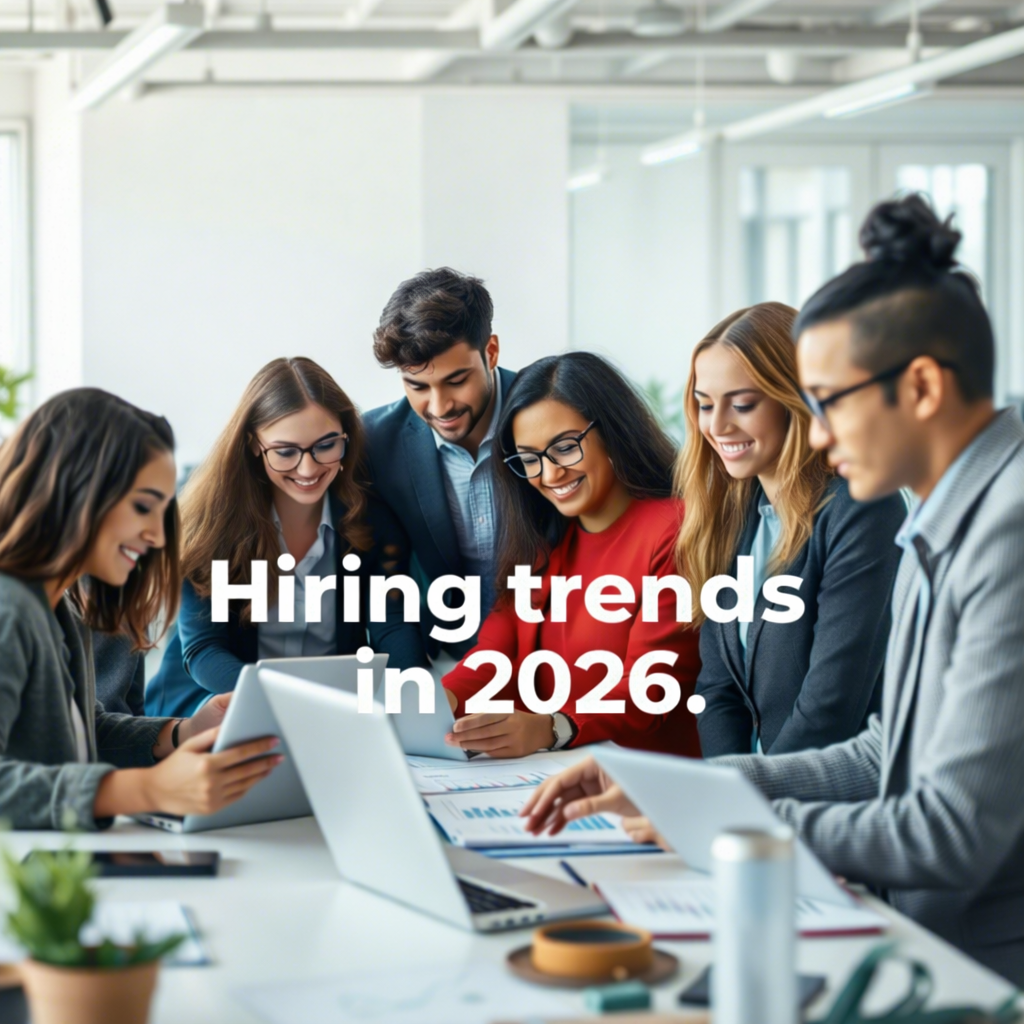
2026 Hiring Trends You Should Know
The job market in 2026 is witnessing major transformations. Companies are now valuing skills over traditional degrees. Remote and hybrid work models are becoming the new standard. AI-powered tools are reshaping the hiring process, automating resume screenings and candidate evaluations. Diversity, Equity, and Inclusion (DEI) are now core parts of recruitment strategies. Soft skills like communication and adaptability are as important as technical skills. Candidates who display emotional intelligence and cultural awareness stand out. Recruiters are increasingly relying on digital portfolios and LinkedIn profiles. Bootcamp certifications and micro-credentials are gaining acceptance across industries. Virtual interviews are now the norm, demanding clear communication and professionalism. Time zone flexibility and asynchronous collaboration are essential in global teams. Resumes are being scanned for specific keywords and quantifiable impact. Candidates are expected to demonstrate agility and continuous learning. Digital fluency—using tools like Zoom, Slack, and Trello—is a must. Many companies now use real-time challenges or skill tests during interviews. Internal mobility is being encouraged to retain top talent. Freelancers and contract workers are contributing significantly to projects. Work-life balance and mental wellness offerings affect job acceptance. Sustainability and ESG-related roles are seeing more hiring. Managers prefer problem-solvers who can take initiative. DEI statements and transparent pay ranges are often published in job ads. Networking has moved online, with webinars and virtual meetups growing in popularity. Career growth pathways are more visible, encouraging long-term planning. Lastly, candidates should keep upskilling regularly to stay relevant in a rapidly evolving job landscape.

Job Search Advice: Get Hired Faster
Applying for jobs can be stressful, but strategic planning significantly improves results. Begin by identifying your strengths and the type of role you're targeting. Tailor your CV for each application, highlighting only the most relevant experience. Keep your formatting clean and use powerful action verbs. Your cover letter should not be generic—speak directly to the role and company. Make use of job boards like Indeed, Glassdoor, and niche platforms related to your field. Use alerts to stay updated on new listings. LinkedIn remains a powerful tool—optimize your profile with keywords, a professional photo, and a compelling headline. Ask for recommendations and endorse others to build goodwill. Don’t wait for jobs to be posted—reach out to hiring managers or employees for informational interviews. Follow company pages to see open roles early. Prepare for interviews by researching the company, understanding the role, and practicing common questions. Know your resume inside out. Practice STAR method (Situation, Task, Action, Result) for structured answers. Dress appropriately and be punctual whether it's virtual or in-person. Send a thank-you note after every interview. Maintain a job search spreadsheet to track your applications and follow-ups. Consider reaching out again if you haven’t heard back in 10–14 days. Stay active on professional communities and participate in discussions. Attend webinars, career fairs, and virtual networking events. Learn basic negotiation skills to confidently discuss compensation. Upskill yourself with online certifications during your search. Stay patient, persistent, and focused on progress. Job searching is a process—don’t lose motivation.

In-Demand Jobs to Watch This Year
Some job roles remain consistently in demand, even as industries evolve. IT professionals are at the forefront, supporting digital transformation across sectors. Data analysts are critical for making sense of large datasets and guiding business decisions. Healthcare workers, especially nurses and medical technologists, continue to be essential. Project managers help teams stay on track, manage risks, and deliver results. Digital marketing experts are vital in a world driven by online engagement. Cybersecurity professionals are increasingly necessary as cyber threats grow more complex. UX/UI designers improve user experiences, making apps and websites more effective and user-friendly. The rise of AI and automation is creating new roles while reshaping old ones. Green energy and sustainability jobs are also gaining popularity due to environmental focus. Remote tech support roles are expanding with the increase in virtual workplaces. Logistics and supply chain managers play a crucial role in global commerce. Cloud computing specialists are needed as businesses migrate to cloud platforms. Language specialists and content creators remain important in global communication. Staying updated with these shifts can help job seekers make informed career decisions. Re-skilling and adapting to market trends ensures long-term job security and success.

The Future of Work: Remote, Hybrid & Beyond
Today’s workspaces are no longer tied to traditional office desks. The concept of work has evolved to include homes, co-working spaces, and even mobile setups. Employees now place a higher value on flexibility, autonomy, and mental well-being. In response, companies are offering hybrid work models that blend office and remote schedules. Virtual collaboration tools like Zoom, Slack, and Teams have become essential. Asynchronous communication is gaining popularity, enabling teams to work across time zones. Flexible hours are replacing the traditional 9-to-5 structure. Employee experience is now a top priority for HR departments. Remote onboarding and digital training programs are more common. Organizations are focusing on trust-based cultures rather than micromanagement. Office spaces are being redesigned for occasional in-person collaboration. This new environment demands self-discipline and strong time-management skills. Job seekers should prepare for digital-first work experiences. Understanding remote tools and etiquette gives candidates an edge. Adaptability is key in this fast-changing landscape.